BLOG
Insights from a Speech-Language Pathologist

Voice and Swallowing Changes After Head and Neck Cancer Treatment
Treatments like surgery, radiation, and chemotherapy can cause hoarseness, dry mouth, and difficulty swallowing. These changes may be temporary or long-term, depending on tissue damage and nerve involvement. Speech and swallowing therapy, medications, and sometimes surgery can help improve function. Early evaluation and consistent therapy often lead to the best outcomes.
Read More
Voice and Swallow Changes After Thyroid Surgery
These issues often happen because the thyroid gland is close to nerves for the voice and swallowing muscles. Common symptoms include hoarseness, difficulty swallowing, and throat tightness. Diagnosis may involve exams like laryngoscopy or a swallow study. Treatment can include speech therapy, swallowing exercises, medication, or, in rare cases, surgery. Most problems improve over time, but see a specialist if they persist or worsen.
Read More
Muscle Tension Dysphonia: Causes, Symptoms, and Treatment
Muscle Tension Dysphonia is a functional voice disorder caused by excessive tension in the throat muscles. Symptoms include hoarseness, vocal fatigue, and throat tightness. Contributing factors (like stress or overuse) can be managed through voice therapy, lifestyle changes, and sometimes medication. Early treatment is key to restoring a healthier, more effortless voice.
Read More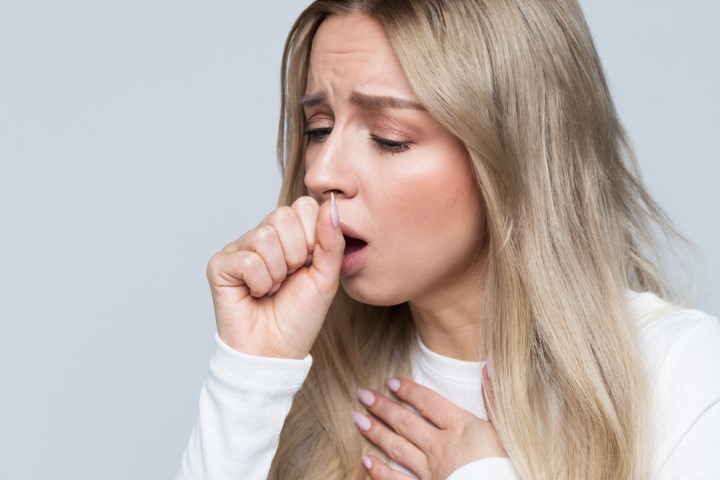
Chronic Cough
Chronic cough, a persistent cough lasting over eight weeks in adults or four in children, can severely impact quality of life. Common causes include post-nasal drip, asthma, GERD, respiratory infections, or environmental irritants. When traditional treatments fall short, behavioral cough suppression therapy (BCST) offers a drug-free solution. BCST helps retrain the cough reflex, which can become hypersensitive in chronic cases. Techniques include diaphragmatic breathing, swallowing strategies, and maintaining vocal hygiene. Benefits include improved quality of life, patient empowerment, and non-invasiveness. Ideal for those preferring non-medication approaches, BCST may complement medical treatments for a more holistic solution.
Read More
How GERD Effects Swallowing
This blog post will explore how GERD affects swallowing. We'll break down the causes, symptoms, diagnostic procedures, and treatment options for GERD-related swallowing difficulties. The article will also offer tips for managing symptoms, discuss when to seek medical help, and answer common questions about GERD and swallowing problems
Read More.jpg)
What is Laryngopharyngeal Reflux (LPR)?
Laryngopharyngeal reflux (LPR), often called "silent reflux," occurs when stomach acid flows back into the throat and voice box. Unlike GERD, which typically causes heartburn, LPR often lacks this symptom, making it harder to detect. It can affect people of all ages, though it’s most common in adults.
Read More
Let's talk globus sensation (globus pharyngeus)
Globus sensation, also known as globus pharyngeus, is a non-painful feeling of a lump in the throat. It can be persistent or intermittent and has various causes. Learn more about its diagnosis and treatment options.
Read More
National Voice Day
In honor of National Voice Day that was recently on April 16, it is a great time to spread the word about the marvel of the human voice and the importance of taking care of it.
Read More
Parkinson’s Disease and The SPEAK OUT! ® Therapy Program
You have received a diagnosis of Parkinson’s Disease, and your life and your loved one’s lives are forever changed because of a progressive neurological disease. Some of the early signs of Parkinson’s Disease include tremor, small handwriting, loss of smell, trouble sleeping, trouble moving or walking, constipation, a soft or lower voice, masked face, dizziness or fainting, and stooping or hunching over (Parkinson’s Foundation, 2024). The good news is there are evidence-based therapies that we know can help! It is recommended that you may need speech and swallow therapy at some point to address speech, voice, swallowing, and cognitive changes because of the progression of Parkinson’s.
Read More
reviews
GET IN TOUCH
We’d love to hear from you. Here’s how you can reach us.
“I have never felt so HEARD. After one visit, and the few things she offered to get started, my life has changed ”
-Chronic cough patient