Head & Neck Cancer
Voice therapy is a specialized area of therapy provided by Idaho Speech & Swallow, aimed at treating voice disorders ranging from hoarseness and voice loss to more severe conditions like vocal cord nodules or paralysis. This therapy, typically conducted by skilled speech-language pathologists (SLPs), employs a variety of techniques to improve the strength, endurance, and quality of the voice, with the primary goal of achieving optimal vocal function with minimal effort.
What is Voice Therapy?
Voice therapy at Idaho Speech & Swallow involves personalized techniques, evidenced-based and exercises designed to enhance vocal health. This type of therapy benefits those with voice disorders due to misuse or overuse, as well as individuals suffering from medical conditions affecting the voice.
Conditions Treated by Voice Therapy
Idaho Speech & Swallow's voice therapy can address conditions such as:
- Vocal nodules and polyps: benign growths caused by vocal strain.
- Vocal cord paralysis: a lack of movement in one or both vocal cords.
- Reinke’s edema: vocal cord swelling due to fluid buildup.
- Muscle tension dysphonia: excessive tension in the laryngeal muscles.
- Laryngitis: inflammation of the larynx leading to voice issues.
Techniques Used in Voice Therapy
At Idaho Speech & Swallow, voice therapy may include:
- Vocal Hygiene: Educating patients on caring for their voice to avoid strain.
- Breathing Exercises: Enhancing respiratory support for voice production.
- Phonation Exercises: Improving vocal cord vibration for clearer sound.
- Resonance Training: Adjusting voice resonance for better quality.
- Relaxation Techniques: Minimizing tension around the vocal mechanism.
- Strengthening Exercises: Building the endurance of vocal muscles.
Benefits of Voice Therapy
Participants in voice therapy at Idaho Speech & Swallow can experience:
- Improved vocal quality and ease of speaking.
- Reduction in voice strain and discomfort.
- Enhanced communication abilities.
- Prevention of further vocal damage.
Who Can Benefit?
Voice therapy is beneficial for everyone, not just professional voice users like singers or teachers. It is particularly valuable for those with vocations demanding frequent vocal use and individuals with medical conditions that affect vocal function.
Conclusion
Voice therapy offered by Idaho Speech & Swallow is an effective treatment for individuals facing voice challenges. Through comprehensive therapy programs tailored to each client's needs, patients can expect to improve their vocal health and overall communication, enhancing their quality of life. The success of voice therapy largely depends on the individual's adherence to the therapy program and the specific nature of their voice disorder.
What is FEES?
Fiberoptic Endoscopic Evaluation of Swallowing. This is a procedure that assesses how well you swallow through the use of a small flexible endoscope. During the procedure, a certified Speech-Language Pathologist (SLP) passes a thin, flexible instrument through your nose. The SLP views parts of your throat as you swallow different food textures that have food dye in them. The endoscope allows the SLP to see parts of your larynx, pharynx and trachea on a video screen. The procedure usually takes 5-10 minutes and has very minimal risks involved. Research shows the risks associated with endoscopy are mild and extremely rare (less than 1%) with minimal discomfort. The biggest risk is experiencing epistaxis (nose bleed).
Why would it be needed?
A FEES procedure can help assess if you are having any problems with food or liquid passing through your throat and protecting your airway. You may need this test if you have trouble swallowing (dysphagia). With dysphagia, there may be an impairment with the muscular coordination and strength needed for efficient and safe swallowing. Dysphagia can lead to food or fluid going into the airway or lungs (aspiration). This can lead to pneumonia and other problems, so it’s important to promptly identify and treat your dysphagia if you have it. Symptoms of dysphagia include coughing or choking during or after eating or drinking, feeling like food is caught in your throat, a wet gurggly sounding voice, pain while swallowing, difficulty starting a swallow, eyes or nose watering while eating or drinking, food or liquids coming out of the nose, recurring pneumonia or chest congestion after eating, weight loss or dehydration from not being able to eat enough, drooling, and a fear of choking. There are many conditions that might cause dysphagia, such as: head and neck cancer, brain injury, neurological disease (Parkinson's Disease, ALS, etc.), stroke, esophageal impairments, GERD/Reflux, muscular dystrophies, aging swallow, etc.
FEES vs Other Swallowing Assessments:
FEES is quick, easy, and can be conveniently done in our office without fasting, anesthesia, or other considerations! Idaho Speech & Swallow can share the results immediately after the test. You can even watch the test if you would like!
A clinical swallow evaluation can only give us information about the "oral stage" of swallowing (biting and chewing), instrumental assessments allow us to visualize further down in the throat to see the "pharyngeal stage" of swallowing and identify aspiration or abnormalities. FEES, unlike other instrumental swallowing assessments, does not require that you travel to a hospital imaging center or expose you to radiation - so the evaluation can also be repeated to measure therapy progress without risk.
What is FEES?
Fiberoptic Endoscopic Evaluation of Swallowing. This is a procedure that assesses how well you swallow through the use of a small flexible endoscope. During the procedure, a certified Speech-Language Pathologist (SLP) passes a thin, flexible instrument through your nose. The SLP views parts of your throat as you swallow different food textures that have food dye in them. The endoscope allows the SLP to see parts of your larynx, pharynx and trachea on a video screen. The procedure usually takes 5-10 minutes and has very minimal risks involved. Research shows the risks associated with endoscopy are mild and extremely rare (less than 1%) with minimal discomfort. The biggest risk is experiencing epistaxis (nose bleed).
Why would it be needed?
A FEES procedure can help assess if you are having any problems with food or liquid passing through your throat and protecting your airway. You may need this test if you have trouble swallowing (dysphagia). With dysphagia, there may be an impairment with the muscular coordination and strength needed for efficient and safe swallowing. Dysphagia can lead to food or fluid going into the airway or lungs (aspiration). This can lead to pneumonia and other problems, so it’s important to promptly identify and treat your dysphagia if you have it. Symptoms of dysphagia include coughing or choking during or after eating or drinking, feeling like food is caught in your throat, a wet gurggly sounding voice, pain while swallowing, difficulty starting a swallow, eyes or nose watering while eating or drinking, food or liquids coming out of the nose, recurring pneumonia or chest congestion after eating, weight loss or dehydration from not being able to eat enough, drooling, and a fear of choking. There are many conditions that might cause dysphagia, such as: head and neck cancer, brain injury, neurological disease (Parkinson's Disease, ALS, etc.), stroke, esophageal impairments, GERD/Reflux, muscular dystrophies, aging swallow, etc.
FEES vs Other Swallowing Assessments:
FEES is quick, easy, and can be conveniently done in our office without fasting, anesthesia, or other considerations! Idaho Speech & Swallow can share the results immediately after the test. You can even watch the test if you would like!
A clinical swallow evaluation can only give us information about the "oral stage" of swallowing (biting and chewing), instrumental assessments allow us to visualize further down in the throat to see the "pharyngeal stage" of swallowing and identify aspiration or abnormalities. FEES, unlike other instrumental swallowing assessments, does not require that you travel to a hospital imaging center or expose you to radiation - so the evaluation can also be repeated to measure therapy progress without risk.
What is FEES?
Fiberoptic Endoscopic Evaluation of Swallowing. This is a procedure that assesses how well you swallow through the use of a small flexible endoscope. During the procedure, a certified Speech-Language Pathologist (SLP) passes a thin, flexible instrument through your nose. The SLP views parts of your throat as you swallow different food textures that have food dye in them. The endoscope allows the SLP to see parts of your larynx, pharynx and trachea on a video screen. The procedure usually takes 5-10 minutes and has very minimal risks involved. Research shows the risks associated with endoscopy are mild and extremely rare (less than 1%) with minimal discomfort. The biggest risk is experiencing epistaxis (nose bleed).
Why would it be needed?
A FEES procedure can help assess if you are having any problems with food or liquid passing through your throat and protecting your airway. You may need this test if you have trouble swallowing (dysphagia). With dysphagia, there may be an impairment with the muscular coordination and strength needed for efficient and safe swallowing. Dysphagia can lead to food or fluid going into the airway or lungs (aspiration). This can lead to pneumonia and other problems, so it’s important to promptly identify and treat your dysphagia if you have it. Symptoms of dysphagia include coughing or choking during or after eating or drinking, feeling like food is caught in your throat, a wet gurggly sounding voice, pain while swallowing, difficulty starting a swallow, eyes or nose watering while eating or drinking, food or liquids coming out of the nose, recurring pneumonia or chest congestion after eating, weight loss or dehydration from not being able to eat enough, drooling, and a fear of choking. There are many conditions that might cause dysphagia, such as: head and neck cancer, brain injury, neurological disease (Parkinson's Disease, ALS, etc.), stroke, esophageal impairments, GERD/Reflux, muscular dystrophies, aging swallow, etc.
FEES vs Other Swallowing Assessments:
FEES is quick, easy, and can be conveniently done in our office without fasting, anesthesia, or other considerations! Idaho Speech & Swallow can share the results immediately after the test. You can even watch the test if you would like!
A clinical swallow evaluation can only give us information about the "oral stage" of swallowing (biting and chewing), instrumental assessments allow us to visualize further down in the throat to see the "pharyngeal stage" of swallowing and identify aspiration or abnormalities. FEES, unlike other instrumental swallowing assessments, does not require that you travel to a hospital imaging center or expose you to radiation - so the evaluation can also be repeated to measure therapy progress without risk.
.webp)
.webp)
(Penetration-Aspiration)
.webp)
(red tissues, swelling)
What is Videostroboscopy?
Videostroboscopy is a specialized evaluation that allows us to see how your vocal folds look and move in real time. It helps us accurately diagnose voice disorders and create a treatment plan that is tailored to you.
How is it different?
Videostroboscopy is a safe, non-invasive examination that uses a flexible camera and a special light source to create a slow-motion view of our vocal folds while you speak or make sounds. The "strobe" light flashes in sync with your voice, making the vocal folds appear to move in slow motion. This helps us evaluate vibration patterns that are too fast to see with the naked eye.
What do we assess?
Videostroboscopy provides valuable information about health and function of yoru larynx (voice box) and vocal folds, including:
- Vocal fold vibratrion and symmetry
- Extent and location of lesions (nodules, polyps, cysts, ect.)
- Glottic closure (how well the vocal folds come together)
- Mucosal wave and movement
- Signs of irritation, inflammation, or scarring
- Impact of voice use on function
What can it help detect?
Although we can't diagnose, videostroboscopy can help to detect:
- Causes of hoarseness or chronic voice changes
- Vocal fold nodules or polyps
- Laryngopharyngeal reflux (LPR)
- Vocal fold paralysis
- Post-surgical or post-injection evaluation
- Muscle tension in the surrounding muscles
Why is this a helpful assessment device?
The entire videostroboscopy proceedure typically takes 15-20 mintues. It is well-tolerated, and most patients describe it as mild and manageable.
- Prepare: there is no special preparation needed.
- Comfortable and safe: a small, flexible scope is gently passed through your nose and positioned above your vocal folds.
- Speak and sound: you will be asked to say words, sustain sounds, and perform voice and breathing tasks so we can observe your vocal folds in action.
- Review and next steps: we will review the findings, discuss recommendations for treatment or follow-up.
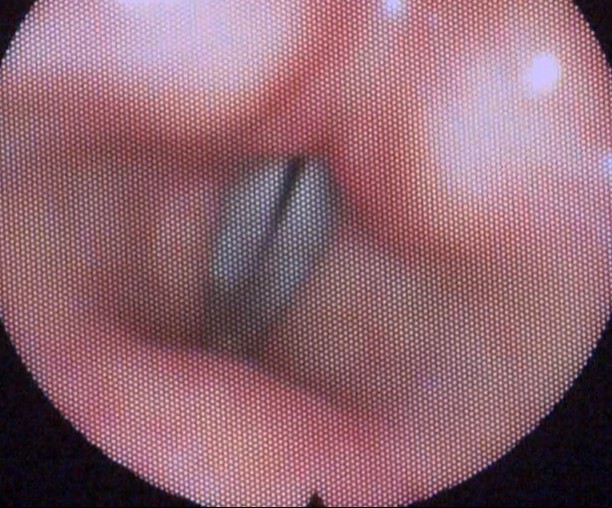
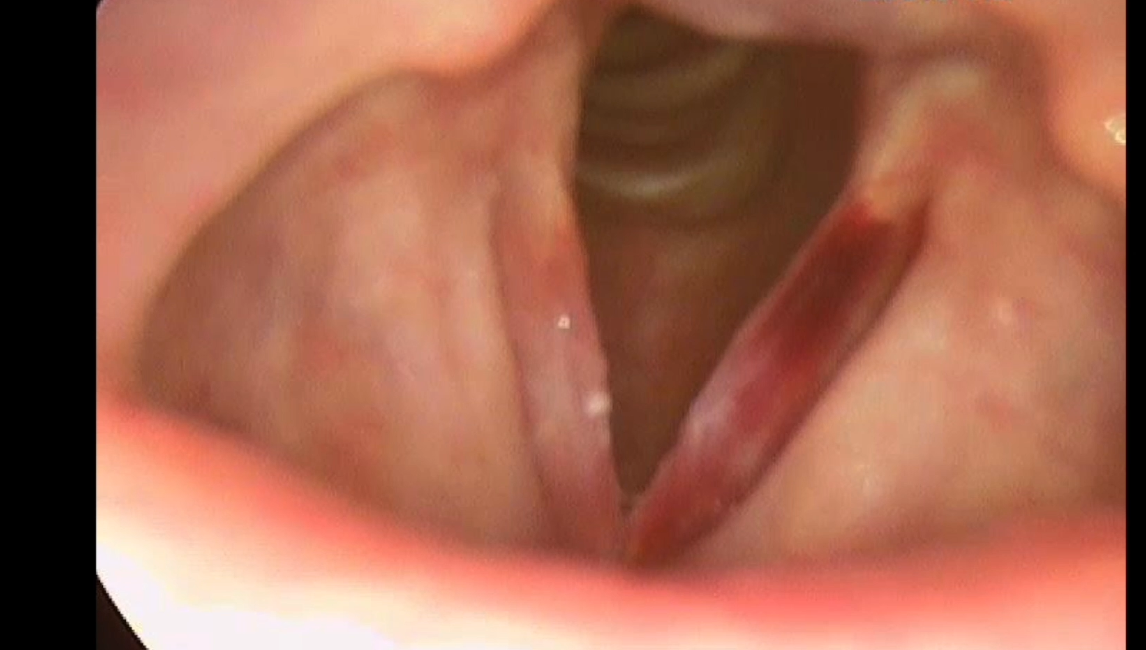
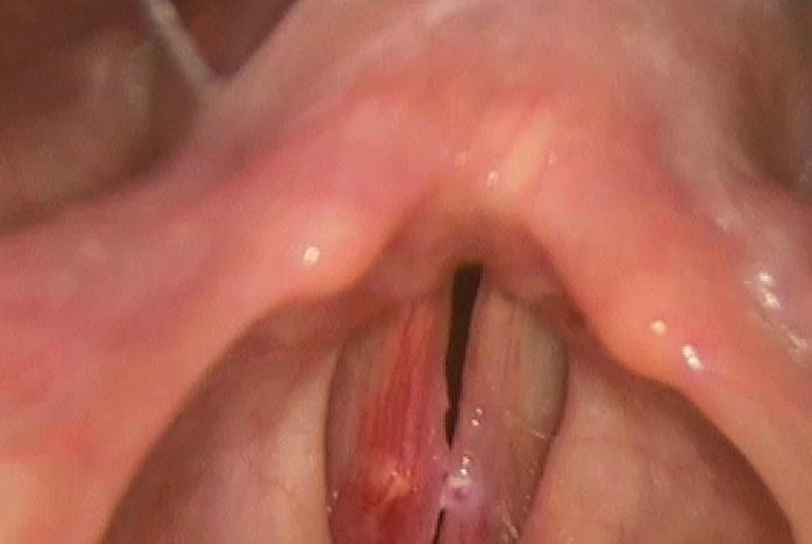
Leisons, Edema,
Hourglass Closure


We’re so glad you’re here.
Let’s take the next step together.
At Idaho Speech & Swallow Services, we believe communication is more than just words—it’s connection, confidence, and quality of life. Our team provides compassionate, personalized speech, language, voice, and swallowing services designed to meet each individual where they are.
Whether you’re seeking support for yourself or a loved one, we’re here to make the process feel comfortable, collaborative, and empowering. We take the time to understand your unique needs and create individualized care plans that help you make meaningful progress toward your goals.

reviews
GET IN TOUCH
We’d love to hear from you. Here’s how you can reach us.
“I have never felt so HEARD. After one visit, and the few things she offered to get started, my life has changed ”
-Chronic cough patient